What is Strong Base Anion Resin and Its Applications in 2026?
strong base anion resin plays a crucial role in various industries. This specialized resin is often used in water treatment processes. Its ability to exchange anions makes it essential for removing contaminants. In 2026, its applications are expected to expand dramatically.
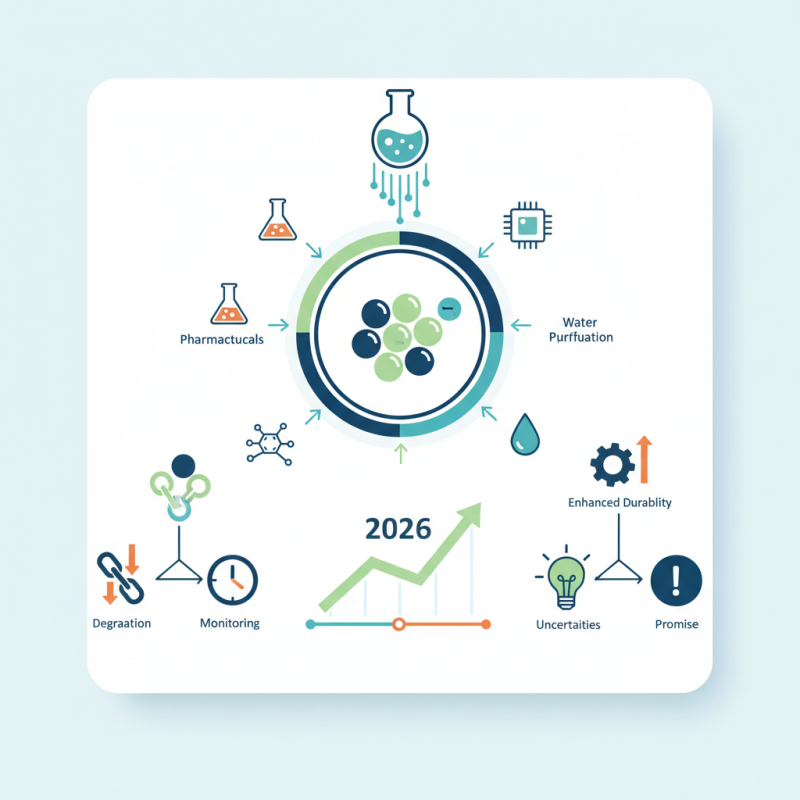
The strong base anion resin is known for its efficiency in deionization. This process helps in producing high-purity water. Industries such as pharmaceuticals and electronics greatly depend on it. However, challenges persist. Resins can degrade, requiring regular monitoring. Understanding their lifespan is key to effective use.
Innovations in resin technology may lead to better performance. Researchers are exploring new formulations for enhanced durability. Yet, not all strategies yield immediate results. Continuous trial and error remain part of resin development. The future of strong base anion resin holds promise, but it is not without its uncertainties.
What is Strong Base Anion Resin? Definition and Composition Overview
Strong base anion resin is a crucial component in water treatment and biochemical processes. This type of resin consists of polymeric material that contains quaternary ammonium groups. These groups provide the resin with a strong affinity for anions. The resin effectively removes negatively charged ions from solutions, such as chlorides, sulfates, and nitrates.
In applications, strong base anion resins play a vital role. They are used in deionization systems and in the purification of drinking water. These resins can regenerate, allowing for reuse, which is cost-effective. They help industries meet regulatory standards for water quality. However, their effectiveness can diminish over time due to fouling or degradation.
Tip: Always monitor the performance of your resin. Regular checks can save costs and ensure efficiency. Short intervals for inspection may help catch issues early.
Another point to consider is the environmental impact. While resins are essential for purification, their disposal can be problematic. This raises questions about sustainability in their manufacturing and use. Finding ways to minimize waste is essential for future applications.
Tip: Explore alternatives or combinations with other technologies. This might reduce reliance on strong base resins, leading to improved overall performance.
Key Characteristics of Strong Base Anion Resins: Properties and Mechanisms
Strong base anion resins play a crucial role in various applications. They are primarily used in water treatment, food processing, and chemical manufacturing. These resins feature high capacity for ion exchange, allowing them to remove anions effectively. Common target anions include sulfate, nitrate, and phosphate. Their performance is driven by the strong basicity of the amine groups attached to the resin structure.
The unique property of strong base anion resins lies in their exchange mechanism. Upon contact with water, they release hydroxide ions. This action allows for efficient removal of undesirable anions from solutions. The exchange process can lead to complex equilibria, sometimes resulting in residual anions that need careful management. Understanding this mechanism is key to optimizing their use.
Tips: When selecting resins, consider water temperature and pH. These factors significantly influence ion exchange efficiency. Regular monitoring of resin performance is essential. Over time, resins may lose effectiveness and require regeneration. Keep an eye on their condition to maintain optimal function.
Applications of Strong Base Anion Resins in Water Treatment: A 2026 Perspective
Strong base anion resins are essential in water treatment. In 2026, their applications are expected to broaden significantly. These resins effectively remove anions like nitrates and sulfates. They have become crucial for potable water purification. A recent report indicates that the global market for anion exchange resins will grow at a CAGR of 6.5% from 2023 to 2026. This data highlights their rising importance.
The use of strong base anion resins in industrial water treatment is particularly notable. Industries are adopting these resins to meet stricter environmental regulations. For instance, they help in managing high salinity water. Many companies struggle with waste management issues. Yet, the adoption of these resins offers a potential solution.
However, challenges remain. Not all resins perform equally in various conditions. Variations in temperatures and pH can affect efficiency. Some applications may not yield expected results. Continuous research is needed to optimize these resins. The journey toward perfecting water treatment solutions is ongoing.
The Role of Strong Base Anion Resins in Pharmaceutical Manufacturing Processes
In pharmaceutical manufacturing, strong base anion resins play a crucial role. These resins help in removing unwanted ions from solutions, ensuring product purity. By effectively binding with anions, they enhance the quality of active pharmaceutical ingredients. This process is vital for compliance with stringent industry regulations.
The versatility of strong base anion resins allows for their use in various applications. They assist in deionization processes, which aid in water purification. This ensures that the water used in formulations meets the highest standards. Additionally, their effectiveness can sometimes lead to unforeseen challenges. Regular monitoring and adjustment of the resin's usage are essential.
Tips: Always evaluate the resin's lifecycle. Occasionally, resins may reach saturation quicker than anticipated. Be prepared to replace or regenerate them often. Quality control checks are paramount. Factors like temperature and pH levels can alter resin efficiency. By staying vigilant, manufacturers can maintain product standards.
Future Trends and Innovations in Strong Base Anion Resin Technology by 2026
The strong base anion resin market is witnessing significant innovations in 2026. This technology is pivotal in water treatment and industrial applications. According to recent market research, demand for strong base anion resins is projected to grow at a CAGR of 5.5% through the next decade. These resins are crucial for ion exchange processes, which remove anions and provide purified water.
As industries shift towards sustainable practices, advancements in resin technology emerge. New formulations enhance performance, increasing capacity and reducing regeneration frequency. Enhanced stability under extreme conditions is also notable. More companies are adopting these innovative resins to meet stringent environmental regulations. The focus on reducing waste in chemical processing is driving this growth.
Tips: Consider exploring hybrid resins for specific applications. They may offer improved efficiency. However, keep in mind that not every resin will suit your needs. Testing and evaluation remain essential steps in your selection process. Be prepared to reassess your choices as the market evolves. Staying informed about trends can optimize your operations.
What is Strong Base Anion Resin and Its Applications in 2026?
| Application Area | Market Share (%) | Technology Innovations | Projected Growth Rate (%) | Key Benefits |
| Water Treatment | 40 | Nanotechnology Integration | 5 | Efficient ion exchange |
| Pharmaceuticals | 25 | Smart Polymers | 7 | Improved selectivity |
| Food Industry | 15 | Green Chemistry Approaches | 6 | Safety and compliance |
| Industrial Processes | 10 | Automation Technologies | 4 | Cost reduction |
| Environmental Monitoring | 10 | Real-Time Data Analysis | 8 | Timely decision making |
