Why Choose Microinverter Solar for Off Grid Systems?
Off-grid living is becoming more popular. Many individuals seek energy independence. In this context, microinverter solar off grid systems are worth exploring. These systems stand apart. They provide unique advantages and improve energy efficiency.
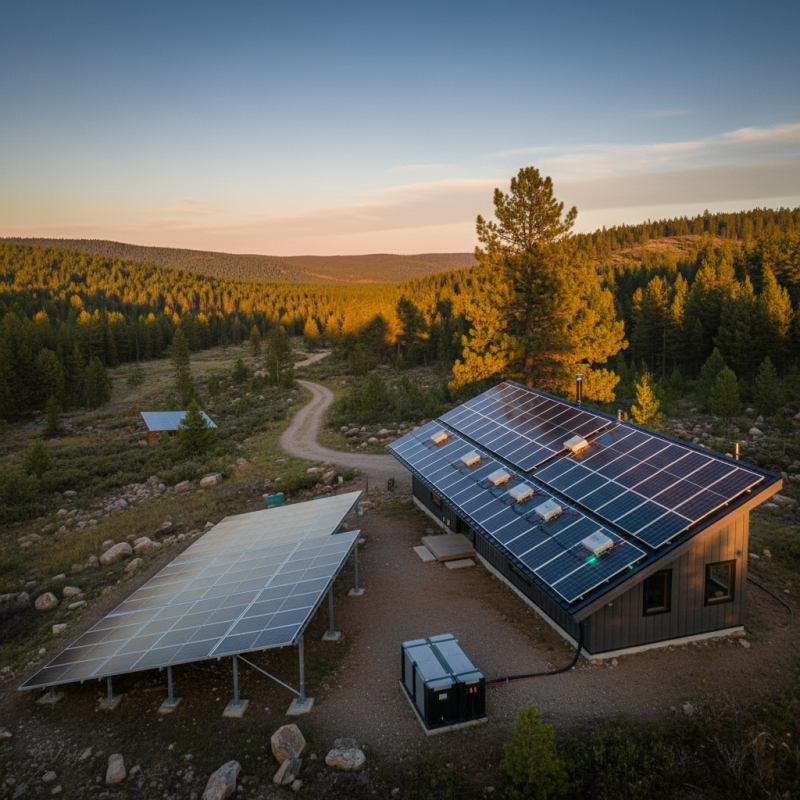
Microinverters convert solar energy at the panel level. This allows for better performance in shaded areas. Each panel operates independently, maximizing energy output. This feature can be crucial in off-grid applications, where efficiency matters greatly. Moreover, the system’s modularity means scalability. You can start small and expand as needed.
However, microinverter systems come with challenges. They can be pricier than traditional setups. Installation may require expertise and more time. Some users question long-term reliability. Understanding these issues is essential. Choosing the right system requires careful consideration. Ultimately, microinverter solar off grid technology presents an exciting opportunity for energy-conscious consumers.
Advantages of Microinverter Technology in Off Grid Solar Systems
Microinverter technology offers distinct advantages for off-grid solar systems. One of the key benefits is the ability to maximize energy production. According to reports, systems utilizing microinverters can boost overall energy yield by up to 20%. This is crucial in off-grid scenarios where every kilowatt-hour counts for daily power needs.
Installation flexibility is another aspect that stands out. Microinverters allow more accessible and efficient configurations, enabling easy integration into various setups. This eases installation on challenging rooftops or uneven terrains. Data suggest that microinverter setups can often be installed in as little as half the time compared to traditional systems.
However, it's important to note that microinverters may have a higher upfront cost. This can be a barrier for some users. Despite this, the long-term benefits often outweigh the initial investment, particularly due to lower maintenance costs and increased system longevity. The average lifespan of microinverters is typically over 25 years, offering durability that traditional inverters may not match. Users should weigh these factors carefully when choosing an off-grid solution.
Why Choose Microinverter Solar for Off Grid Systems? - Advantages of Microinverter Technology in Off Grid Solar Systems
| Feature | Microinverter | String Inverter |
| Energy Harvesting | Higher efficiency due to individual panel optimization | Less efficient under shading or panel mismatch |
| System Reliability | Improved with distributed architecture | Single point of failure risk |
| Installation Flexibility | Easier installation on varied rooftops | Requires uniform setup |
| Monitoring Capabilities | Detailed panel-level monitoring | System-level monitoring only |
| Maintenance Requirements | Easier troubleshooting | More cumbersome to diagnose issues |
| Cost | Higher initial cost, but better ROI | Lower initial cost, but may have lower long-term return |
How Microinverters Enhance Energy Efficiency and Output
Microinverters are a game changer for off-grid solar systems. They operate individually for each panel, maximizing energy output. According to a recent report by the National Renewable Energy Laboratory, systems using microinverters can increase energy harvest by up to 20% compared to traditional string inverters. This is critical for off-grid applications where every watt counts.
Microinverters enhance energy efficiency significantly. They convert solar energy at the panel level, reducing losses commonly seen in centralized systems. With varying light conditions, microinverters ensure optimal performance. A study indicated that shading on one panel does not affect others when using microinverters, highlighting their efficiency.
Tip: Regularly check your microinverter system for updates. Minor adjustments can lead to energy savings.
However, installation costs can be higher initially. This needs careful consideration. Maintenance can also be tricky, depending on the installation. These factors have to be weighed against the potential energy gains.
Tip: Consider local climate conditions when planning your system. Different environments can vastly affect performance.
Comparison of Microinverters and Central Inverters for Off Grid Use
Microinverters and central inverters serve distinct roles in off-grid solar systems. Microinverters convert DC to AC at the panel level. This allows each module to operate independently. If one panel is shaded, the others still produce energy. According to a report by the National Renewable Energy Laboratory, microinverters can boost energy harvest by up to 25% in some scenarios. This is a significant advantage in unevenly shaded environments.
Central inverters, on the other hand, group multiple panels together. They can be less costly upfront. However, they exhibit a single-point failure risk. If the central inverter malfunctions, the entire system goes offline. This has been a concern raised in various industry reports, suggesting that maintenance and system downtime could be higher with central inverters. In fact, some studies indicate that systems with microinverters often have lower operational costs over time, despite the higher initial investment.
Off-grid systems often face unique challenges, like varying sunlight conditions. The decision between micro and central inverters can impact overall efficiency. Microinverters might be more suited for residential setups with roof obstructions. These specifics need careful consideration. The ideal choice depends on individual circumstances and may require a hardware assessment.
Installation and Maintenance Benefits of Microinverters in Remote Locations
Microinverters have gained traction in off-grid solar systems due to their unique installation and maintenance advantages. For remote locations, these devices convert DC power to AC directly at the panel. This reduces wiring complexity and minimizes energy loss. A study showed that systems with microinverters can achieve up to 20% more energy output, especially in shaded areas.
Maintenance becomes easier with microinverters. Each panel operates independently. If one fails, the others continue to work. In off-grid scenarios, this reliability is crucial. According to solar industry reports, microinverters can lower maintenance costs by up to 30%, as fewer components mean less potential for failure. Technicians also spend less time troubleshooting when inspecting systems.
However, despite their benefits, the initial costs of microinverters can be higher than centralized systems. This upfront investment must be evaluated against energy production gains over time. Some installations may experience delays in obtaining parts, which can be frustrating. Overall, for remote and off-grid users, the reliability and efficiency of microinverters often outweigh these challenges.
Cost Considerations for Implementing Microinverter Systems Off Grid
Microinverter solar systems offer flexibility and efficiency, especially for off-grid setups. Cost considerations play a crucial role when evaluating their implementation. According to the U.S. Department of Energy, microinverters can increase energy harvest by 10-20% compared to traditional systems. This efficiency leads to higher long-term savings.
The initial costs of microinverter systems can be higher than string inverter setups. Estimates suggest that microinverters may add an additional $1,000 to $2,000 to the overall system cost. However, some are willing to invest due to the enhanced performance in shaded areas. A report by the National Renewable Energy Laboratory indicates that shading can reduce energy production dramatically. Microinverters mitigate this risk, yet consumers must weigh the upfront expense against potential savings.
Another important factor to consider is maintenance. Microinverters typically have longer lifespans, often exceeding 25 years. This durability can reduce replacement costs over time. However, challenges may arise with monitoring systems. Users might face complexities in understanding performance data. An average homeowner may find this information overwhelming. Think about whether it is worth navigating these challenges for the potential benefits.
