How to choose the best windows and doors for your home?
Choosing the right Window & Door for your home is crucial. It affects energy efficiency, security, and aesthetics. Many homeowners overlook this significant decision. The perfect Window & Door can elevate the charm of your space. However, possible mistakes can lead to regret.
Consider factors such as climate and style. Frames come in various materials. Wood, vinyl, and aluminum all have distinct pros and cons. Think about the maintenance required. Security features are another vital aspect. Don’t ignore safety for aesthetics.
Take your time to explore different options. This choice impacts your home’s value. Reflect on what fits your lifestyle. Each Window & Door tells a story, adding character to your home. Remember that what looks good may not always be functional.
Understanding Different Types of Windows and Doors Available for Homes
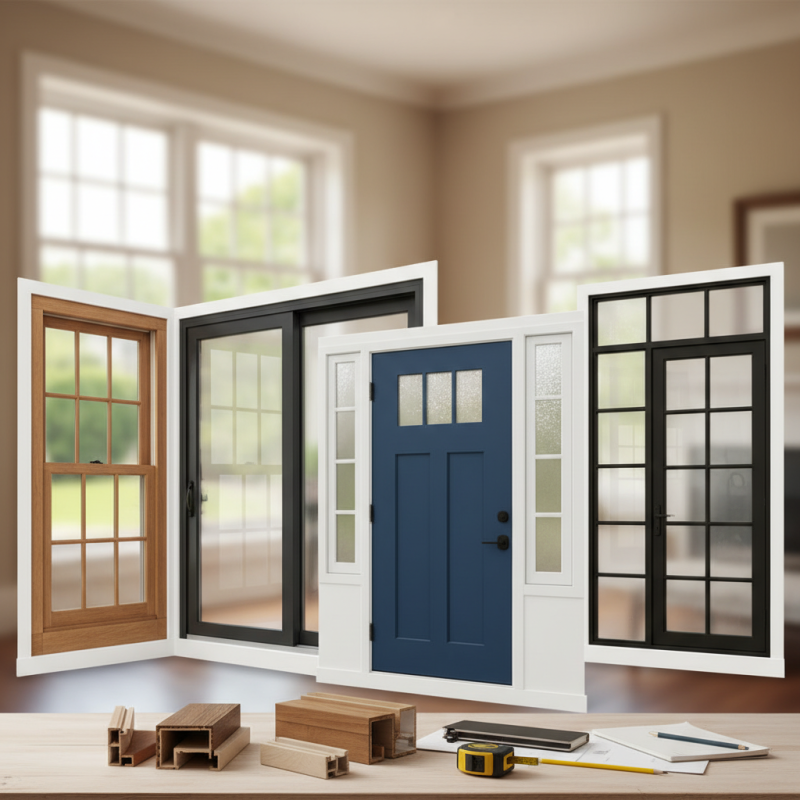
Choosing the right windows and doors for your home is crucial. It affects energy efficiency, aesthetics, and safety. Several types exist. Windows typically fall into categories like double-hung, casement, and sliding. Each type has its pros and cons. For instance, double-hung windows are easy to clean but may not offer the best insulation.
Doors also vary widely. Entry doors can be made from steel, wood, or fiberglass. Fiberglass doors tend to be durable and energy-efficient. A report from the American Architectural Manufacturers Association indicates that 30% of energy loss in homes occurs through windows and doors. Selecting the right products can significantly reduce these losses.
**Tip:** Consider the climate when choosing windows. In colder areas, insulated frames work best.
Also, consider the window's glazing. Low-E glass can reduce heat loss.
**Tip:** Always check for energy certifications. This ensures you're selecting windows and doors designed for performance. It might seem tedious, but it pays off in the long run.
Remember, sometimes, what looks good may not perform well. Balance aesthetics with functionality when deciding.
How to choose the best windows and doors for your home? - Understanding Different Types of Windows and Doors Available for Homes
| Type | Material | Energy Efficiency | Cost Range ($) | Lifespan (Years) |
| Double-Hung Windows | Vinyl, Wood, Aluminum | Good | 300 - 800 | 15 - 30 |
| Casement Windows | Wood, Vinyl, Aluminum | Excellent | 400 - 900 | 20 - 40 |
| Sliding Doors | Vinyl, Aluminum | Good | 500 - 1500 | 20 - 30 |
| French Doors | Wood, Fiberglass | Moderate | 700 - 2500 | 15 - 25 |
| Awning Windows | Vinyl, Wood | Good | 300 - 700 | 20 - 30 |
Evaluating Energy Efficiency Ratings for Windows and Doors
When evaluating energy efficiency ratings for windows and doors, start with understanding the different metrics. Look closely at the U-factor, which indicates how well a product prevents heat from escaping. Lower numbers signify better insulation. Solar heat gain coefficient is another crucial metric. It shows how much heat from sunlight enters your home. You want this number to be low if you live in a hot climate.
Consider the material used. Vinyl and fiberglass often provide better insulation than aluminum. You might find that wood frames, while aesthetically pleasing, can require more maintenance. Don’t overlook the importance of the energy star label. This label can help guide your choices, but remember, ~not all products are created equal~.
Also, think about sealing and installation. Poorly installed windows can negate the benefits of even the best-rated products. Review your choices, as energy efficiency is not just about the windows themselves. Consider how they fit into your overall home performance strategy. Reflect on how these decisions impact your energy bills. Each choice requires careful thought and consideration.
Assessing Style and Aesthetic Compatibility with Your Home Design
Choosing windows and doors is not just about functionality; it's about ensuring they complement your home's style. The right design can enhance your home's curb appeal and value. According to the National Association of Realtors, remodeled windows and doors can recoup up to 70% of their costs in resale value. This underscores the importance of aesthetics in your selection process.
When assessing style and aesthetic compatibility, consider your home's architecture. Traditional homes often benefit from classic designs such as double-hung windows or raised-panel doors. On the other hand, modern homes may look best with sleek sliding doors and large glass panels. Pay attention to the materials too, like wood or vinyl, which significantly impact visual appeal.
Tips: Choose a color palette that harmonizes with your exterior. This detail can tie the whole look together. It's easy to overlook the small particulars like trim styles or hardware finishes. These elements can either enhance or clash with your overall aesthetic. Take a moment and reflect on what your home expresses. A mismatched choice might not only frustrate you but may also reduce your home’s attractiveness.
Choosing the Best Windows and Doors for Your Home
When selecting windows and doors for your home, it is essential to consider style and aesthetic compatibility with your home design. The following chart illustrates the frequency of various styles preferred by homeowners in relation to the architectural style of their homes.
Considering Material Durability and Maintenance Requirements
Choosing the right materials for your windows and doors is crucial. Durability is essential; you want products that stand the test of time. Wood can be beautiful but often requires regular maintenance. It may warp or rot if not cared for properly. Metal offers strength, yet it can rust. Consider aluminum or vinyl for a good balance. These materials are often low-maintenance, appealing for busy homeowners.
Think about how often you want to clean or repair your windows and doors. Glass can enhance aesthetics but may need constant upkeep. Look for energy-efficient options that reduce your bills. A lot of options might look great but may not hold up in extreme weather. Evaluate your local climate before making a decision. A mistake here could mean higher costs later. Take your time choosing; it's an investment in your home.
Budgeting for Quality: Cost vs. Value in Windows and Doors Selection
When selecting windows and doors for your home, consider costs versus value. A recent report by the National Association of Realtors found that quality materials can increase your home's resale value significantly. Windows and doors account for nearly 70% of your home's exterior. Choosing energy-efficient options can save you money long-term.
A common mistake many homeowners make is focusing solely on upfront costs. While cheaper options may save you money now, they can lead to higher energy bills later. The Department of Energy states that quality windows can reduce heating costs by up to 15%. Investing wisely means looking at lifespan and durability.
Think about your budget and the potential return on investment. High-quality doors and windows can last decades, unlike cheaper alternatives. Research shows that homeowners recoup about 72% of the replacement window costs at resale. It’s essential to balance cost with the comfort and longevity of your choices. Make informed decisions that reflect both your wallet and your investment's life.