How to Choose the Best Pocket Filter Media for Your Needs?
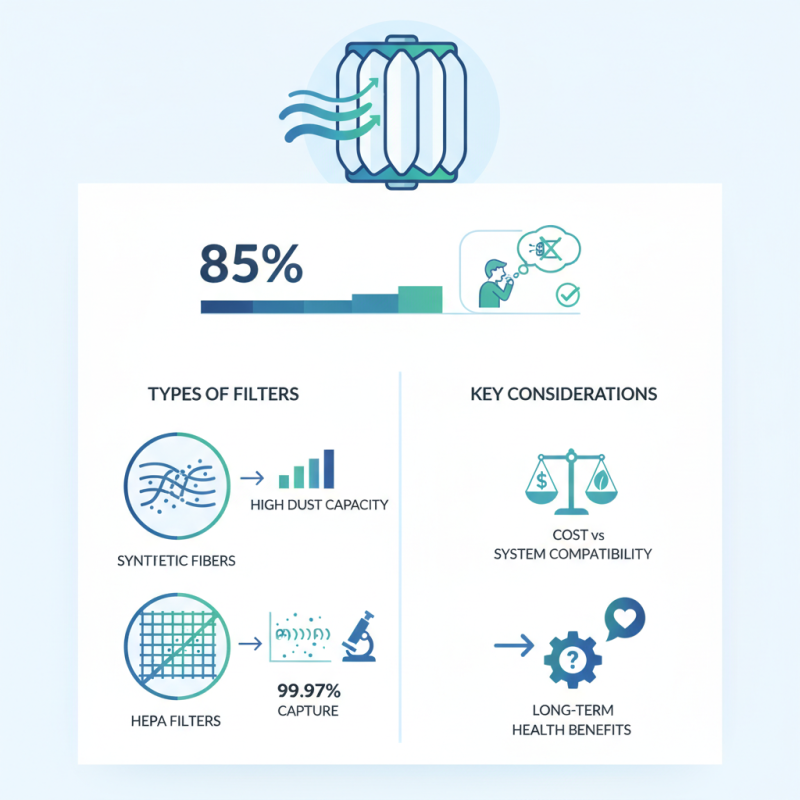
Choosing the right pocket filter media is crucial for effective air filtration. According to a 2022 report by the International Air Quality Association, 85% of indoor air quality issues stem from inadequate filtration. This highlights the significance of selecting the appropriate material to improve air clarity and reduce allergens.
pocket filter media comes in various types, each tailored to specific needs. For instance, synthetic fibers are known for their high dust holding capacity. On the other hand, HEPA filters capture 99.97% of particles larger than 0.3 micrometers, making them ideal for sensitive environments. Yet, many users overlook compatibility with their systems.
Inadequate research can lead to poor performance and unnecessary costs. Some may settle for cheaper options, not realizing they might compromise air quality. Balancing cost with efficiency is vital. Each choice should be made with a focus on long-term benefits. An informed decision ensures cleaner air and better health outcomes.
Understanding Pocket Filter Media Types and Their Applications
When selecting pocket filter media, it's crucial to understand the different types available. There are various materials, including synthetic and fiberglass options. Each type serves distinct roles. For instance, synthetic fibers often offer higher dust loading capacity but may have lower efficiency than fiberglass. Understanding these nuances helps in making informed choices.
Applications of pocket filter media vary widely. In commercial HVAC systems, filters with a MERV rating between 8 to 13 are common. They capture large particulates, helping to maintain indoor air quality. A report by the American Society of Heating, Refrigerating and Air-Conditioning Engineers indicates that efficient filtration can improve energy efficiency by 15%. However, users often overlook the maintenance aspect, leading to reduced filter lifespan and increased operational costs.
Moreover, pocket filter media are not one-size-fits-all. The chosen filter must align with specific operational needs. For example, in industrial applications, higher-rated filters can significantly affect air handling efficiency. Yet, using overly efficient filters can restrict airflow, causing system strain. This often leads to costly repairs and decreases overall effectiveness. Evaluating these trade-offs is essential but often neglected.
Evaluating Air Quality Requirements for Optimal Filter Selection
When evaluating air quality for optimal filter selection, understanding the specific needs of your environment is crucial. According to the Environmental Protection Agency, indoor air can be 2 to 5 times more polluted than outdoor air. This statistic underscores the importance of high-efficiency pocket filter media that can effectively capture airborne pollutants. Factors like particulate matter (PM) levels, volatile organic compounds (VOCs), and allergens need to be considered carefully.
To ensure you are choosing the right filter, consider the Minimum Efficiency Reporting Value (MERV). Filters with a MERV rating of 8 to 13 can capture 70% to 85% of particles between 3 to 10 microns. In commercial settings, these filters are often insufficient to address finer particles. Finer filters with MERV ratings of 14 to 16 can trap smaller particulates but may restrict airflow. Balancing air quality needs with airflow efficiency is often a challenging task.
In addition to MERV rating, consider the filter’s lifespan. Some filters may offer high initial efficiency but need frequent replacements. This might lead to higher maintenance costs over time. Assessing how often you must change a filter can also impact your overall choice. Remember, achieving optimal air quality is not just about filtering; it’s about the entire air management system.
Factors to Consider: Efficiency, Size, and Compatibility
Choosing the right pocket filter media requires careful attention to various factors. One critical consideration is efficiency. Look for media that captures specific particle sizes effectively. Not all filters perform the same. A high-efficiency filter is vital for environments with air quality concerns. However, too high efficiency can restrict airflow, creating pressure drops that may harm equipment.
Size is another essential aspect. Filters come in various dimensions. Measure your filter housing accurately to ensure a proper fit. An ill-fitting filter can lead to bypass air, reducing its effectiveness and increasing maintenance needs. Sometimes, the right size filter may not be the most efficient one. Balancing effectiveness and fit can be tricky.
Compatibility with existing systems cannot be overlooked. Ensure the filter suits the type of HVAC system in use. Different systems have unique requirements for filter types. Failing to account for these can lead to unexpected issues. It might seem straightforward, but misjudgments on compatibility are common. Regularly reassessing your needs can help avoid costly mistakes.
How to Choose the Best Pocket Filter Media for Your Needs?
Assessing Cost-Effectiveness and Longevity of Filter Media
When choosing pocket filter media, cost-effectiveness and longevity are key factors. The initial cost may seem low, but consider long-term expenses. Cheaper materials might need frequent replacement. This can inflate the total cost over time. The type of environment and application also influences durability. For instance, industrial settings often require robust media that withstand harsh conditions. In contrast, residential areas might only need basic filtration.
Longevity depends on filter material and operational conditions. Some filters are designed to last for months, while others perform well for only weeks. Regular maintenance is vital to ensure peak functionality. Assessing the efficiency of the chosen media could lead to discovering unforeseen costs. It’s worth considering if the filter consistently meets your needs. If not, reevaluate your choice.
Another consideration is the disposal of used media. Certain filters may pose environmental challenges after use. It’s important to think about the entire lifecycle. Choosing sustainable options might come with a higher upfront cost but can save money, energy, and the environment in the long run. Reflecting on these factors can lead to more informed decisions.
How to Choose the Best Pocket Filter Media for Your Needs?
| Filter Media Type | Cost per Square Foot | Lifespan (Months) | Efficiency (%) | Maintenance Frequency (Months) |
| Synthetic Fiber | $1.50 | 12 | 90 | 3 |
| Electrostatic | $2.00 | 10 | 95 | 2 |
| Activated Carbon | $2.50 | 6 | 85 | 1 |
| Fiberglass | $1.00 | 8 | 80 | 4 |
| Pleated Paper | $1.75 | 9 | 88 | 2 |
Maintenance and Replacement Guidelines for Pocket Filters
When it comes to pocket filters, maintenance is essential. Regular inspections can prevent larger issues. Dust and debris accumulate over time. This can impact air quality and filter efficiency. A study shows that neglecting filter replacement can reduce overall HVAC efficiency by up to 15%. Consider monitoring pressure drops as a simple maintenance method.
Replacement guidelines are often overlooked. Most manufacturers recommend replacing pocket filters every six months. However, this timeline can vary based on specific environments. Locations with high particulate matter may require more frequent changes. Regular replacements ensure optimal airflow. Filters that are too clogged can restrict airflow, leading to increased energy consumption.
Moreover, using a filter that meets the specific needs of your environment is crucial. Filtering bacteria or allergens requires different specifications. Some filters may need to be cleaned instead of replaced. Understanding the lifecycle of your pocket filters helps avoid unnecessary waste and costs. Balancing cost and performance is often difficult. Always weigh options before making decisions on filter maintenance.
