Why You Should Choose LED Lighting for Your Home and Environment
As the world increasingly shifts towards sustainable practices, LED lighting has emerged as a transformative solution for both residential and commercial environments. According to the U.S. Department of Energy, widespread adoption of LED lighting could save up to 190 terawatt-hours of energy by 2025, equivalent to the annual output of 24 large power plants. This significant reduction in energy consumption not only leads to cost savings but also contributes to a decrease in greenhouse gas emissions, making LED lighting an environmentally friendly choice.
Experts in the field, such as Dr. Emily Green, a prominent figure in lighting technology research, emphasize the importance of this transition. She has stated, "Switching to LED lighting is not just about improving energy efficiency, but also about enhancing the quality of life by providing better illumination." This insight highlights the dual benefits of LED technology, showcasing its role in promoting a healthier living and working environment, while also aligning with today's green initiatives. With numerous advantages including longer lifespan, reduced heat output, and dynamic design possibilities, choosing LED lighting for your home is not just a trend, but a smart and responsible decision that paves the way for a brighter, more sustainable future.
Advantages of LED Lighting Over Traditional Lighting Options
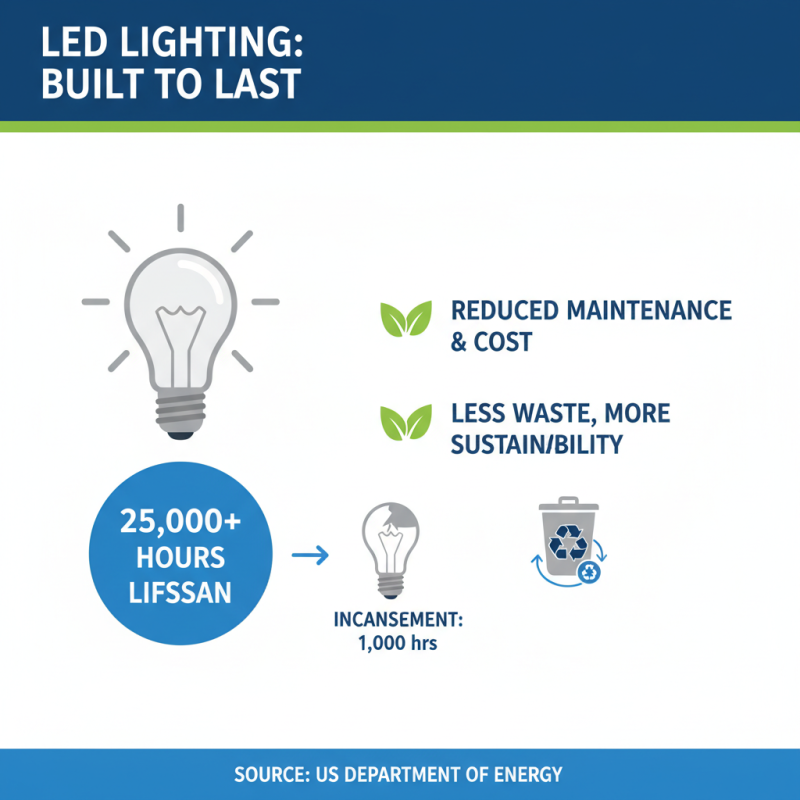
LED lighting has become the preferred choice for many homeowners and businesses, primarily due to its numerous advantages over traditional lighting options such as incandescent and fluorescent bulbs. One of the most significant benefits of LED lighting is its energy efficiency. According to the U.S. Department of Energy, LED lights use at least 75% less energy than incandescent bulbs, translating to lower electricity bills and reduced carbon footprints. Furthermore, LED lights have a longer lifespan, lasting up to 25,000 hours or more, compared to the mere 1,000 hours of traditional incandescent bulbs. This durability not only saves money on replacement costs but also decreases waste, making LEDs a more sustainable option.
In addition to efficiency and longevity, LED lighting provides superior quality of light. LEDs offer better color rendering capabilities, enhancing the appearance of spaces and objects by providing a more natural light spectrum. This is supported by research from the Lighting Research Center, which indicates that LEDs facilitate better visibility and can improve mood and productivity in work environments. With the ability to produce a range of colors and brightness, LEDs are also highly adaptable, allowing for custom lighting designs tailored to individual needs.
Tips for choosing LED lighting include considering the lumens output rather than wattage, as lumens measure light brightness. Look for energy star ratings to ensure maximum efficiency and always check the color temperature to find the best ambiance for your space. Lastly, explore smart LED options that allow for remote control and dimming capabilities for a smarter home lighting system.
Energy Efficiency: How LED Lights Reduce Electricity Costs
LED lighting has become a popular choice for homeowners due to its remarkable energy efficiency. Unlike traditional incandescent bulbs, which convert a large portion of energy into heat rather than light, LED lights use significantly less electricity to produce the same amount of illumination. This efficiency leads to lower electricity bills, making it a financially sound decision for those looking to reduce household expenses and promote sustainability.
In addition to saving money, energy-efficient LED lights contribute to a reduced carbon footprint. They require less energy from the grid, which in turn decreases greenhouse gas emissions associated with power generation. By opting for LED lighting, homeowners can play an active role in conserving energy resources and protecting the environment. All these advantages make switching to LED not just a smart economic choice, but also an essential step towards a more sustainable future.
Energy Efficiency Comparison: LED vs. Traditional Lighting
This bar chart illustrates the average lifetime of different types of lighting. As shown, LED lights have a significantly longer average lifetime compared to traditional incandescent and compact fluorescent bulbs, highlighting their energy efficiency benefits for both cost savings and reduced environmental impact.
Longevity and Durability of LED Light Bulbs Explained
When considering lighting options for your home, the longevity and durability of LED light bulbs stand out as key advantages. LED bulbs have a remarkable lifespan, often lasting 25,000 hours or more compared to traditional incandescent bulbs, which average just 1,000 hours. According to the U.S. Department of Energy, using LED lighting can reduce the need for frequent replacements, drastically cutting down both maintenance costs and waste. This extended lifespan not only translates into economic savings but also supports sustainability efforts by minimizing the number of bulbs disposed of in landfills.
Durability is another compelling reason to opt for LED lighting. These bulbs are made with solid-state components, making them significantly more resistant to shock, vibrations, and extreme temperatures than their incandescent or fluorescent counterparts. A report from the National Lighting Bureau indicates that LED lights can withstand impact better, making them ideal for various environments, including areas with high foot traffic or outdoor spaces subject to weather changes. This robust design ensures they maintain functionality in diverse conditions, offering peace of mind for homeowners and businesses alike.
Environmental Impact: Why LED Lighting is More Eco-Friendly
LED lighting has become increasingly popular due to its significant environmental benefits compared to traditional lighting options. According to the U.S. Department of Energy, LED lights use at least 75% less energy than incandescent bulbs, translating to reduced energy consumption and lower greenhouse gas emissions. This reduction is crucial, as the energy production is often reliant on fossil fuels, which contribute substantially to air pollution and climate change. By choosing LED lighting, homeowners can play a vital role in decreasing their carbon footprint and supporting a cleaner environment.
Moreover, the longevity of LED bulbs further enhances their eco-friendliness. The U.S. Environmental Protection Agency estimates that a single LED bulb can last up to 25,000 hours, which is significantly longer than traditional incandescent bulbs that typically last around 1,000 hours. This longevity means fewer bulbs are needed over time, resulting in reduced waste in landfills. Additionally, LEDs do not contain hazardous materials like mercury, which is commonly found in fluorescent lighting, making them a safer choice for both consumers and the environment. By making the switch to LED lighting, individuals contribute to a more sustainable future while enjoying the benefits of energy efficiency and lower electricity bills.
Versatility and Aesthetic Benefits of LED Lighting in Home Décor
LED lighting has rapidly gained popularity in home décor due to its remarkable versatility and aesthetic benefits. From contemporary to traditional settings, LED lights can seamlessly integrate into any interior design scheme. According to a report by the Department of Energy, LED lighting has the potential to last up to 25 times longer than incandescent bulbs, while also using 75% less energy. This longevity allows homeowners to experiment with various lighting setups without the constant worry of frequent replacements, enabling a greater range of creative expression when it comes to design.
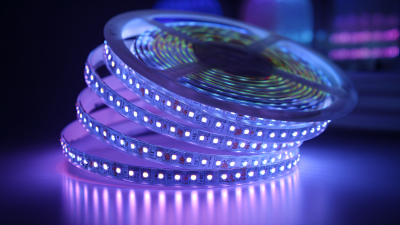
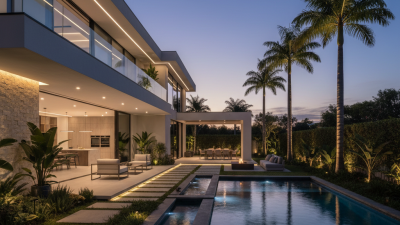
The aesthetic impact of LED lighting is undeniable. It is available in a spectrum of colors and designs, allowing for customized ambiance that can enhance any room's character. For example, warm white lighting can create a cozy atmosphere in living spaces, while cool white lighting can provide a vibrant environment in kitchens. Moreover, LED strip lights can be used to highlight architectural features or artwork, adding depth and dimension to your space.
**Tips for Incorporating LED Lighting:**
1. Use adjustable LED fixtures or smart bulbs to easily change color temperatures and brightness levels based on your mood and time of day.
2. Consider layering your LED lights with other light sources, such as floor lamps or wall sconces, to create a balanced and inviting atmosphere.
3. Opt for dimmable LED options in spaces where you may want to adjust lighting intensity, such as dining areas or home theaters, to enhance the overall experience.